Puget Sound: The History of Name and Geography of Place

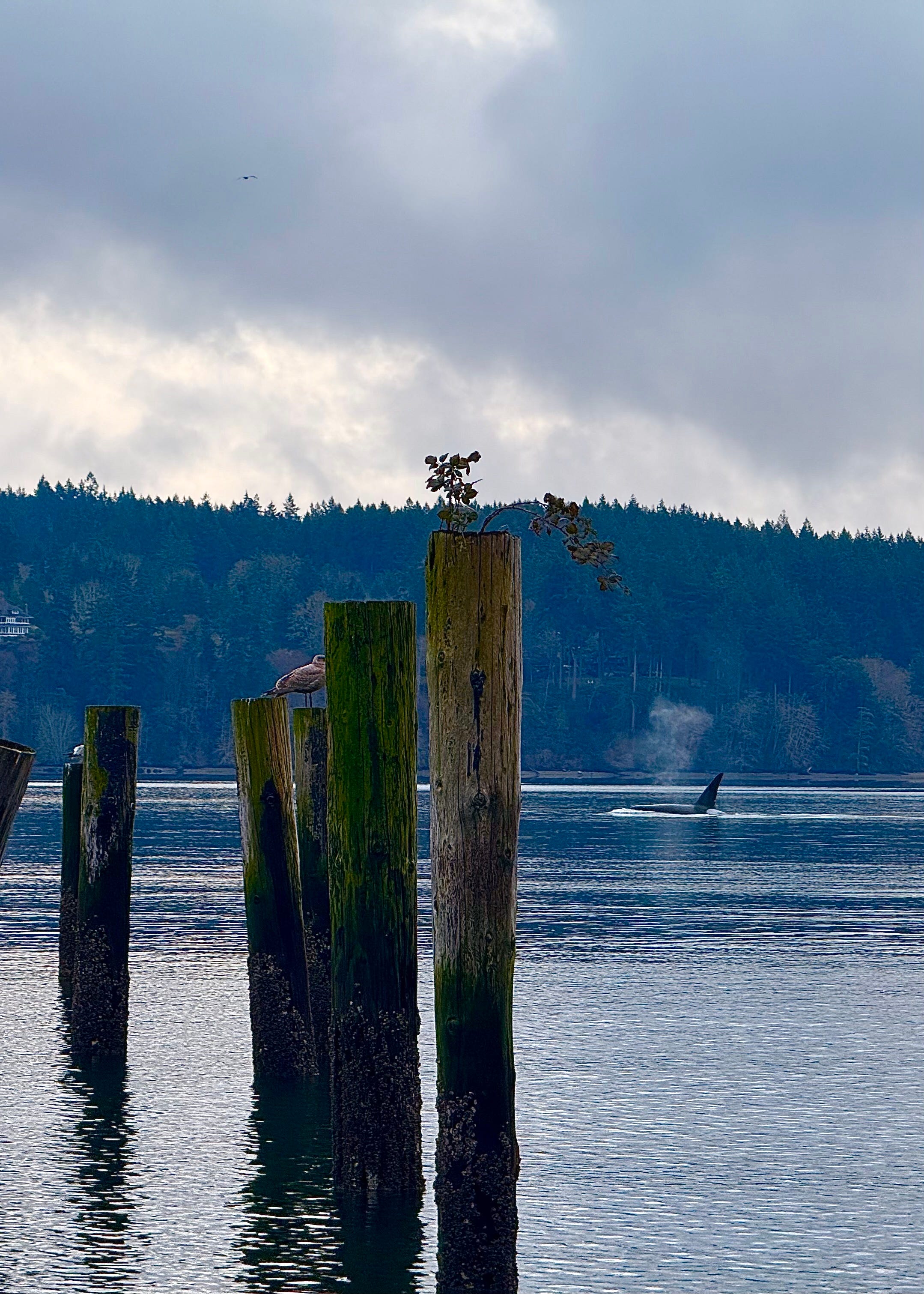
Today, we invite you to embark on a fascinating journey through the rich history and ecological importance of Puget Sound. In this article, we will delve into the geological fabric that defines this remarkable area and highlight its unique characteristics while beginning to uncover the wonders of our diverse ecosystems.
One of my favorite books for exploring the intricate history of Puget Sound—and a source of inspiration for my thesis—is D.B. Williams' Homewaters. Mr. Williams skillfully intertwines echoes of the past with the vibrancy of the present, shedding light on how the region's distinct geology shapes the cherished landscape we admire.
Through his eloquent writing, he reveals the world around us, forging connections between our lives and the magical environment of Puget Sound. His focus on the stories of place, enriched by threads of history and narrative, leaves a lasting impression.
Let us set sail on a journey through the fabric of time. In 1792, the first hints of Puget Sound's existence emerged from the brave explorations of the adventurous George Vancouver. Anchored off the shores of what we now know as Bainbridge Island, Captain Vancouver dispatched two sturdy rowboats, captained by the esteemed Peter Puget. After a week of exploration and careful mapping southward from their anchorage, they returned, having revealed the mysteries of the waters. In his journal, George Vancouver honored this magnificent expanse by naming it Puget’s Sound, commending his companion's “great exertions.”
Before Vancouver and his lieutenant set off on their journey, the region was known as x̌ʷəlč, often pronounced as "whulge." In Lushootseed, the indigenous language of the waterway, this term signifies a stretch of salt water. However, this meaning goes beyond the geographic boundaries of Puget Sound; it embodies a deep connection to the land itself.
Recently, there has been a movement toward adopting a more inclusive name: The Salish Sea. Geographically, this area stretches from the northern reaches of the Straits of Georgia to the Cape Flattery Lighthouse and the Makah Indian Reservation, covering all of Puget Sound's inland waters. The Salish Sea is an exquisitely beautiful network of channels and interconnected waterways, encompassing over 11,200 square miles and featuring more than 400 islands, with depths reaching nearly 2,200 feet.
The name Salish Sea originated from the vision of Bert Webber, a marine researcher from Bellingham, who sought to illustrate the interconnectedness of Puget Sound, the Straits of Juan de Fuca, and the Straits of Georgia. The reality is that these regions do not operate independently; they function collectively as a vast inland sea and would be best managed as such. This holistic perspective emphasizes the need for cooperation and stewardship across international and cultural boundaries to preserve the Salish Sea's ecological integrity.
The Salish Sea and more closely to home the Puget Sound is a treasure trove of biodiversity, home to an array of marine life, including orcas, salmon, sea otters, and countless other species that depend on its rich and varied habitats. Its waters are a living tapestry that reflects both natural and cultural histories, with First Nations and Native American tribes having lived along its shores for millennia, drawing sustenance and spiritual significance from its bounty.
As we navigate the complex challenges of climate change and environmental degradation, it becomes increasingly vital to honor and protect the Salish Sea. Collaborative efforts among local communities, governments, and environmental organizations have made strides in addressing issues such as pollution, habitat loss, and species conservation. Programs aimed at restoring salmon runs and improving water quality are crucial to ensuring the health of this vibrant ecosystem.
In this spirit of stewardship, educational initiatives and public awareness campaigns play a key role in fostering a deeper understanding and appreciation of the Salish Sea's wonders. By engaging people of all ages, we can inspire a collective commitment to safeguarding this unique region for future generations.
As we continue to explore the history and geography of Puget Sound and the Salish Sea, we are reminded of the interconnectedness of our natural world and the shared responsibility we hold in preserving its beauty and vitality. Let us embrace the legacy of those who have come before us and work together to nurture and protect this remarkable place we call home.