When the Water Pulls Back: This Week’s Low Tides and a Brief History of Clamming in Puget Sound

This week’s minus tides are the kind that pull the Sound’s secrets into the open.
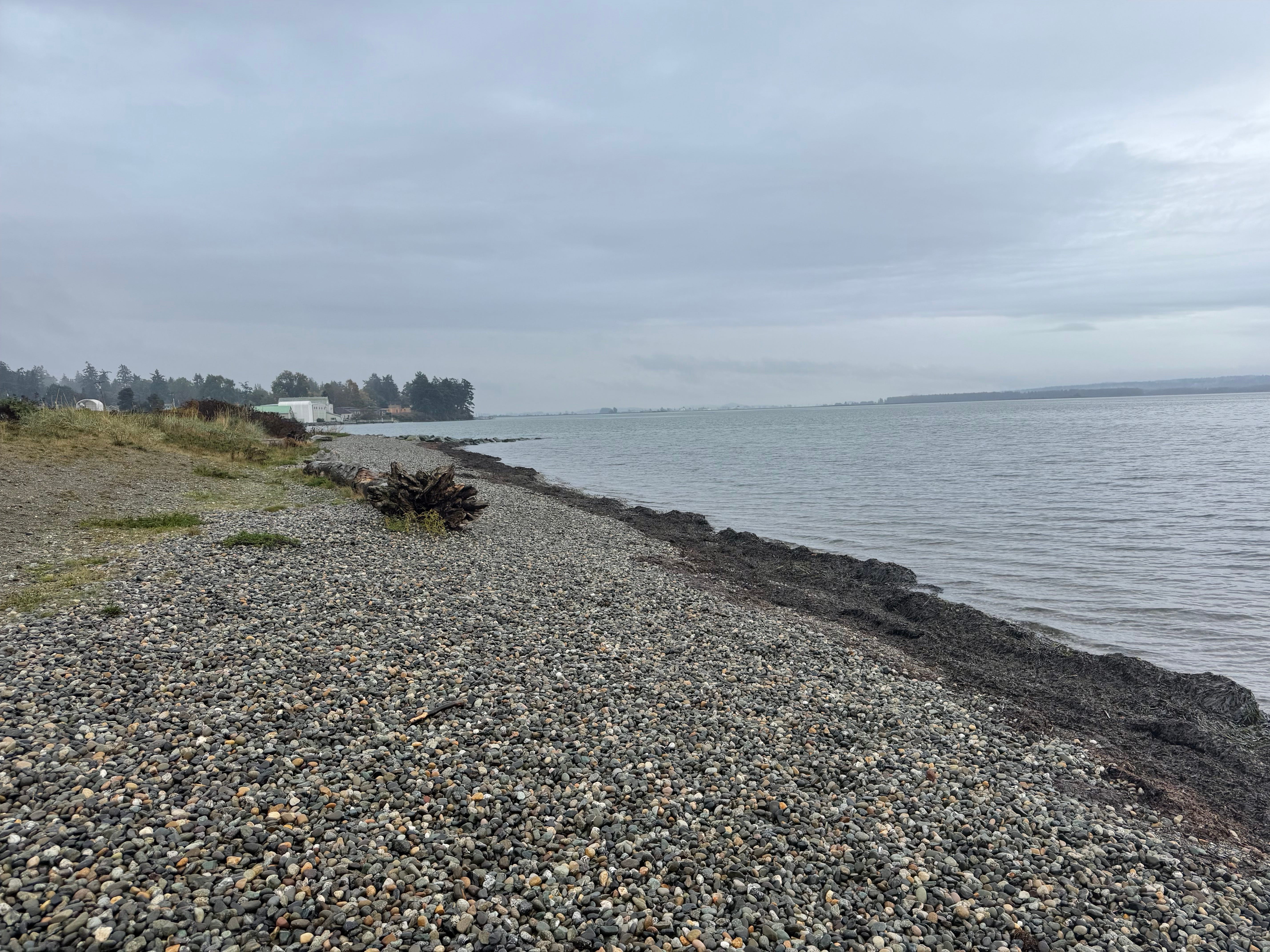
For a few bright hours each day, the water slips far enough out to reveal the broad, glistening tideflats — the places usually hidden beneath green water and eelgrass. Around Olalla, Gig Harbor, Vashon, and the Kitsap Peninsula, the shoreline becomes a temporary landscape of exposed sand, butter‑clam shows, moon‑snail tracks, and the unmistakable scent of salt and silt.
These low tides aren’t just a natural event; they’re an invitation.
For generations, people here have walked out onto the flats with buckets, rakes, and a quiet sense of reverence. Clamming isn’t just recreation in the Puget Sound — it’s tradition, sustenance, and a seasonal rhythm older than any of our towns.
---
What This Week’s Low Tides Mean
The minus tides arriving over the next few days will be some of the lowest of early spring. That means:
• Wide, accessible tideflats perfect for spotting butter clams, manila clams, and cockles
• Ideal conditions for families and first‑timers — firm sand, clear footing, and long exposure windows
• A chance to see intertidal life up close: sea stars returning to some beaches, burrowing worms, eelgrass beds, and moon snails the size of grapefruits
• A reminder to check harvest advisories — spring often brings biotoxin fluctuations, and safe harvesting depends on current WDFW updates
Even if you’re not digging, these tides are worth walking. The Sound feels different when the water is far away — quieter, older, almost mythic.
---
A Short History of Clamming in Puget Sound: Long Before Washington Was Washington
Clamming in the Salish Sea is an Indigenous tradition stretching back thousands of years.
Coast Salish peoples — including the Suquamish, Puyallup, S’Klallam, and many others — tended clam beds the way others tend gardens. They built clam gardens, terraced rock walls that expanded habitat and increased productivity. These were sophisticated, sustainable food systems that fed communities for millennia.
Clams weren’t just food; they were woven into ceremony, trade, and seasonal cycles.
The low tides were — and still are — a time of gathering, teaching, and honoring the relationship between people and the water.
Settlers, Shorelines, and the Rise of Recreational Digging
By the late 1800s and early 1900s, clamming became a major regional industry.
Puget Sound exported canned clams, smoked clams, and fresh shellfish up and down the West Coast. Small waterfront towns — from Shelton to Gig Harbor — had bustling shellfish operations.
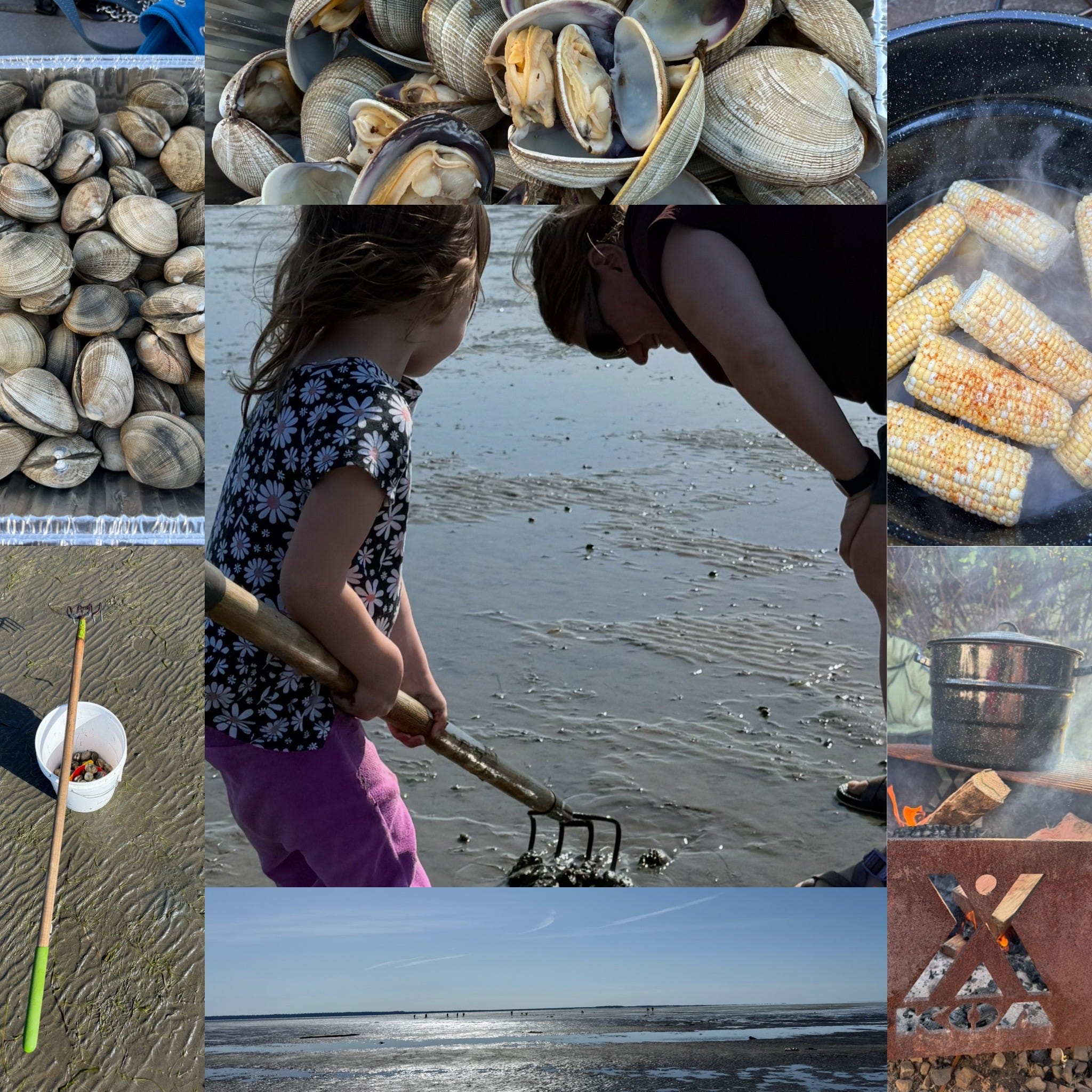
Recreational clamming took off in the mid‑20th century. Families would pack up metal buckets, rubber boots, and a thermos of coffee and head for the tideflats. Many Washingtonians still remember learning to dig their first butter clam from a parent or grandparent, standing ankle‑deep in cold sand.
---
Clamming Today: A Tradition That Endures
Modern clamming is a blend of old and new:
• Indigenous stewardship continues, with tribes leading restoration, monitoring, and sustainable harvest practices.
• State and tribal co‑management helps protect beaches from overharvest and biotoxins.
• Families still gather at dawn, teaching kids how to spot a “show,” how to fill in holes, and how to take only what they’ll eat.
• The Sound itself is changing, with warming waters and shifting ecosystems — making responsible harvesting more important than ever.
Yet the heart of it remains the same:
A person, a tideflat, and the quiet thrill of pulling dinner from the earth.
Why Low Tides Still Matter
Low tides are more than a chance to dig clams.
They’re a reminder that the Puget Sound is alive — a place where water and land trade places twice a day, revealing and concealing entire worlds.
When the tide pulls back this week, it’s offering a glimpse into that world.
Whether you’re digging, walking, photographing, or simply breathing in the salt air, you’re participating in a tradition that stretches from ancient clam gardens to the present moment.
The Sound keeps its history close.
Low tides let us touch it.
Great post!